Donate

Search Website

Khums Calculation

Surplus

Amount you own, in British Pounds ?
Calculated on your khums due date.
Equivalent amount, in British Pounds, of foreign currency you own ?
Calculated on your khums due date.
Debts owed to you that you expect to be repaid ?
Do not include this if it was accounted for in previous financial years.
In-kind possessions not used for sustenance ?
This includes buildings, farms, factories, commodities, work tools, and any household items or possessions not used for sustenance. Calculate these at present value if they were acquired with surplus income on which a year has not elapsed, and at cost price if they were acquired with surplus income on which a year has elapsed. If acquired with a combination of income, then calculate these at present value in relation to what was acquired with surplus income on which a year has not elapsed, and at cost price in relation to what was acquired with surplus income on which a year has elapsed.
Financial dues ?
This includes the due of key premium (surqufliah), the due of utilizing agricultural lands owned by the state, and the due of revival of lands which are fenced and prepared for residency. Calculate these at present value if they were acquired with surplus income on which a year has not elapsed, and at cost price if they were acquired with surplus income on which a year has elapsed. If acquired with a combination of income, then calculate these at present value in relation to what was acquired with surplus income on which a year has not elapsed, and at cost price in relation to what was acquired with surplus income on which a year has elapsed.
Amount you utilized prior to your khums due date ?
This is cash which was subject to khums prior to your khums due date, and which you have already spent (e.g. If this is the first year you pay khums, despite having needed to pay khums in previous years)
Fungible items you utilized prior to your khums due date ?
These are fungible items which were subject to khums prior to your khums due date, and which you have already utilized. Calculate these according to present value. Fungible items are those which are freely exchangeable or replaceable, in whole or in part, for another item of a similar nature, such as machinery or factory-produced fabrics.
Non-fungible items you utilized prior to your khums due date ?
These are non-fungible items which were subject to khums prior to your khums due date, and which you have already utilized. Calculate these according to their value at point of utilization. Non–fungible items are unique items, such as unique paintings, monuments, and unique jewelry.
Amount you already paid with intention of Sahm Al-Imam ?
Amount you paid with the intention of Sahm Al-Imam before your khums due date.
Amount you already paid with intention of Sahm Al-Sada ?
Amount you paid with the intention of Sahm Al-Sada before your khums due date.

Deductions

Commercial debts ?
Include all commercial debts you still owe others.
Remaining sustenance debts taken in the financial year ?
Includes debts borrowed in the financial year for accommodation (mortgage), a car, etc. Please refer to more detailed rulings for accounting for mortgages.
Remaining sustenance debts taken in previous financial years ?
Includes debts borrowed in the previous financial year for accommodation (mortgage), a car, etc. The asset (house, car, etc.) must still be in your possession. Calculate only the amount that you have not deducted from your profits in previous financial years. Please refer to more detailed rulings for accounting for mortgages.
Amount you own which has already been subjected to khums ?
Calculated on your khums due date. Includes the remainder of funds that were subject to khums in previous years and on which you have already paid khums.
Notes
  1. 1) Your khums due date is the first day you started your job or business. If you are retired or not in employment, then you can agree a khums due date with a representative of the marja'a, or calculate separate khums years for each profit that you make, from the date you made that profit.
  2. 2) The khums of commercial commodities and real estate(s) which are intended for trading, should be paid in accordance with their current market value, even if they were bought with profits which a year has elapsed on, unless the price at which they were bought is higher than the current value.
  3. 3) If the calculations show that the amount of khums due is negative as a result of sustenance debts, then the amount of the sustenance debt equivalent to the amount of khums due for the rest of the item is calculated and excluded.
  4. 4) If sustenance debts are fully repaid in the financial year, this amount is excluded from the profits.
  5. 5) Possessions which are not subject to khums are:
    1. a. Possessions owned through inheritance:
    2. i. Cash
    3. ii. Real Estate
    4. iii. Objects that are transferrable and the like
    5. b. Possessions owned by the wife from the dowry (mahr):
    6. i. Cash
    7. ii. Gold Jewellery
    8. iii. Home furniture and the like
    9. c. Possessions used for personal or family provisions from the profits of that financial year:
    10. i. Home residence
    11. ii. Home furniture and other household items
    12. iii. Gardens used for leisure and to personally benefit from their fruit
    13. iv. Personal or family cars
    14. v. Animals that are benefited from by the household such as a cow for milk or a chicken for eggs
    15. d. Debts owed by others that you do not expect to be repaid.
    16. e. Items purchased through debt that has not yet been repaid.

Total amount subject to Khums £0

Khums Due £0

Sahm al Imam to be paid £0

Sahm al Sada to be paid £0

Email me Khums report

Qurbani 2026: Your Complete Guide to Giving Qurbani This Eid Al-Adha

29 April 2026

What is Qurbani? 

Qurbani is a sacred act of worship performed during Eid Al-Adha, commemorating the devotion of Prophet Ibrahim (AS). When commanded by Allah to sacrifice his son, Prophet Ibrahim (AS) demonstrated complete obedience. Before the sacrifice took place, Allah replaced his son with a ram, establishing a tradition Muslims continue to observe today. 

The word Qurbani comes from the Arabic root “Qurb“, meaning closeness. Through Qurbani, Muslims seek to draw closer to Allah while also supporting those in need. It is both a spiritual act and a humanitarian one, combining faith with compassion. 

Each year during Eid Al-Adha, Muslims around the world offer Qurbani by sacrificing livestock and distributing the meat to families facing hardship. This act allows vulnerable families to share in the joy of Eid and receive nutritious food during a meaningful time. 

Why Give Qurbani in 2026? 

Eid Al-Adha is a time of reflection, generosity, and unity. While many families prepare meals and gather with loved ones, others face financial hardship that makes celebrating Eid more difficult. Your Qurbani helps ensure that orphaned children and their families are not left behind. 

Through your Qurbani donation, families receive support during Eid Al-Adha. It provides relief to widowed mothers caring for orphaned children and helps ensure households have access to nutritious meals during this important time. 

As global challenges continue to impact vulnerable communities, your Qurbani in 2026 can help bring stability and support where it is needed most. 

Where Your Qurbani Donation Goes 

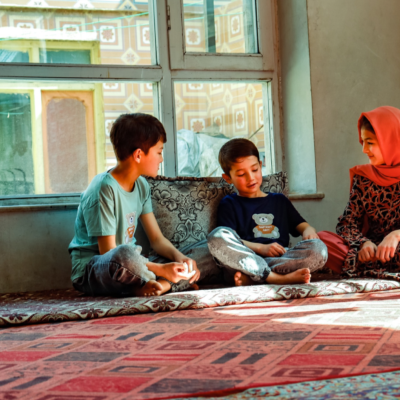
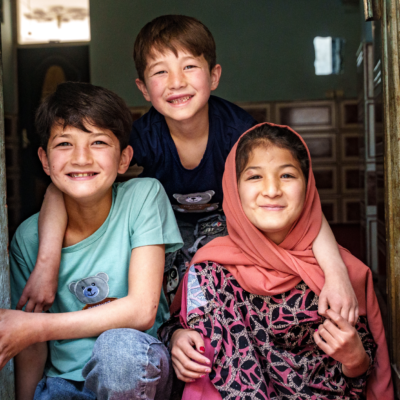
When you give your Qurbani, your sacrifice reaches orphaned children and their families supported by Al-Ayn across Iraq, Afghanistan, and Ghana. These families receive ongoing support throughout the year, and Qurbani strengthens that support during Eid. 

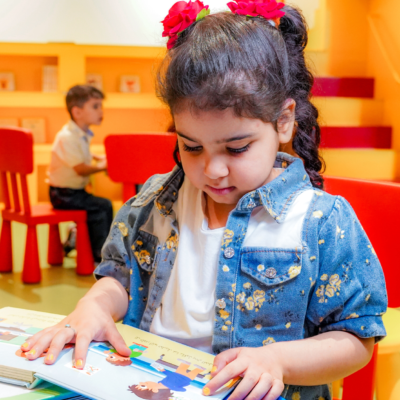
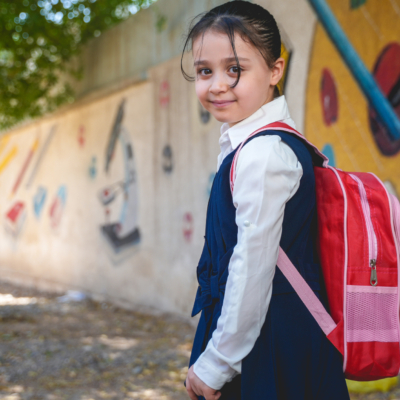
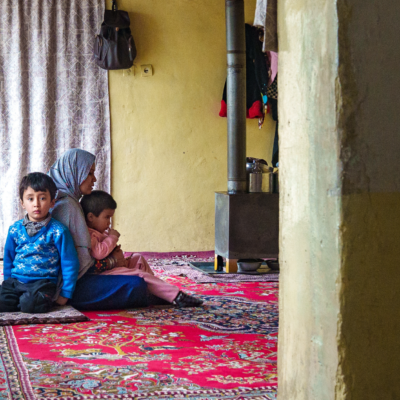
In Iraq, over 108,734 orphaned children are supported through comprehensive care programmes. In Afghanistan, families continue to face food insecurity and economic challenges. In Ghana, vulnerable families benefit from support designed to improve stability and wellbeing. 

Your Qurbani donation helps ensure these families can celebrate Eid Al-Adha with greater comfort. 

Choosing the Right Charity for Qurbani 

Choosing a trusted charity is important to ensure your sacrifice is carried out according to Islamic jurisprudential rulings and reaches those most in need. 

Al-Ayn holds direct authorisation (Ijaza) from Al-Sayyid Ali Al-Sistani to receive and distribute religious donations. This ensures your Qurbani is delivered according to Islamic guidelines and handled with care and responsibility. 

Animals are carefully selected, the sacrifice is conducted according to Islamic rulings, and local teams oversee distribution to orphaned children and their families. 

Last Year’s Qurbani Impact 

Last year, thanks to your generosity, more than 102,000 orphaned children and their families received Qurbani meat. Over 50 tonnes of meat were distributed in Iraq, and every family supported in Afghanistan and Ghana received a Qurbani package. 

This year, your Qurbani can help us reach even more families. 

Give Your Qurbani Today 

Your Qurbani is more than a sacrifice. It is a way to support orphaned children and their families during Eid Al-Adha. 

Give your Qurbani today and help bring relief to families in need.


Related