Donate

Search Website

Khums Calculation

Surplus

Amount you own, in British Pounds ?
Calculated on your khums due date.
Equivalent amount, in British Pounds, of foreign currency you own ?
Calculated on your khums due date.
Debts owed to you that you expect to be repaid ?
Do not include this if it was accounted for in previous financial years.
In-kind possessions not used for sustenance ?
This includes buildings, farms, factories, commodities, work tools, and any household items or possessions not used for sustenance. Calculate these at present value if they were acquired with surplus income on which a year has not elapsed, and at cost price if they were acquired with surplus income on which a year has elapsed. If acquired with a combination of income, then calculate these at present value in relation to what was acquired with surplus income on which a year has not elapsed, and at cost price in relation to what was acquired with surplus income on which a year has elapsed.
Financial dues ?
This includes the due of key premium (surqufliah), the due of utilizing agricultural lands owned by the state, and the due of revival of lands which are fenced and prepared for residency. Calculate these at present value if they were acquired with surplus income on which a year has not elapsed, and at cost price if they were acquired with surplus income on which a year has elapsed. If acquired with a combination of income, then calculate these at present value in relation to what was acquired with surplus income on which a year has not elapsed, and at cost price in relation to what was acquired with surplus income on which a year has elapsed.
Amount you utilized prior to your khums due date ?
This is cash which was subject to khums prior to your khums due date, and which you have already spent (e.g. If this is the first year you pay khums, despite having needed to pay khums in previous years)
Fungible items you utilized prior to your khums due date ?
These are fungible items which were subject to khums prior to your khums due date, and which you have already utilized. Calculate these according to present value. Fungible items are those which are freely exchangeable or replaceable, in whole or in part, for another item of a similar nature, such as machinery or factory-produced fabrics.
Non-fungible items you utilized prior to your khums due date ?
These are non-fungible items which were subject to khums prior to your khums due date, and which you have already utilized. Calculate these according to their value at point of utilization. Non–fungible items are unique items, such as unique paintings, monuments, and unique jewelry.
Amount you already paid with intention of Sahm Al-Imam ?
Amount you paid with the intention of Sahm Al-Imam before your khums due date.
Amount you already paid with intention of Sahm Al-Sada ?
Amount you paid with the intention of Sahm Al-Sada before your khums due date.

Deductions

Commercial debts ?
Include all commercial debts you still owe others.
Remaining sustenance debts taken in the financial year ?
Includes debts borrowed in the financial year for accommodation (mortgage), a car, etc. Please refer to more detailed rulings for accounting for mortgages.
Remaining sustenance debts taken in previous financial years ?
Includes debts borrowed in the previous financial year for accommodation (mortgage), a car, etc. The asset (house, car, etc.) must still be in your possession. Calculate only the amount that you have not deducted from your profits in previous financial years. Please refer to more detailed rulings for accounting for mortgages.
Amount you own which has already been subjected to khums ?
Calculated on your khums due date. Includes the remainder of funds that were subject to khums in previous years and on which you have already paid khums.
Notes
  1. 1) Your khums due date is the first day you started your job or business. If you are retired or not in employment, then you can agree a khums due date with a representative of the marja'a, or calculate separate khums years for each profit that you make, from the date you made that profit.
  2. 2) The khums of commercial commodities and real estate(s) which are intended for trading, should be paid in accordance with their current market value, even if they were bought with profits which a year has elapsed on, unless the price at which they were bought is higher than the current value.
  3. 3) If the calculations show that the amount of khums due is negative as a result of sustenance debts, then the amount of the sustenance debt equivalent to the amount of khums due for the rest of the item is calculated and excluded.
  4. 4) If sustenance debts are fully repaid in the financial year, this amount is excluded from the profits.
  5. 5) Possessions which are not subject to khums are:
    1. a. Possessions owned through inheritance:
    2. i. Cash
    3. ii. Real Estate
    4. iii. Objects that are transferrable and the like
    5. b. Possessions owned by the wife from the dowry (mahr):
    6. i. Cash
    7. ii. Gold Jewellery
    8. iii. Home furniture and the like
    9. c. Possessions used for personal or family provisions from the profits of that financial year:
    10. i. Home residence
    11. ii. Home furniture and other household items
    12. iii. Gardens used for leisure and to personally benefit from their fruit
    13. iv. Personal or family cars
    14. v. Animals that are benefited from by the household such as a cow for milk or a chicken for eggs
    15. d. Debts owed by others that you do not expect to be repaid.
    16. e. Items purchased through debt that has not yet been repaid.

Total amount subject to Khums £0

Khums Due £0

Sahm al Imam to be paid £0

Sahm al Sada to be paid £0

Email me Khums report

Islamic Calendar 2027: Key Dates and What They Mean

22 October 2026

This page lists the key Islamic dates from December 2026 to August 2027 shared by Muslims worldwide.  The Islamic calendar follows the lunar cycle, so each year these occasions arrive about 10 to 11 days earlier than the year before. The exact date depends on the sighting of the moon and can differ slightly between communities.

What are the key Islamic dates in 2027?

All dates are subject to moon sighting in your region. Nights such as Laylatul Qadr begin at sunset the evening before.

1448–1449 AH

Islamic Calendar 2027

Key dates from December 2026 to August 2027

  • Celebration
  • Holy night / day
  • Remembrance
  1. Birth Anniversary of Lady Fatima (AS)

    20 Jumad Al-Akhir 1448

    Celebration
  2. Birth Anniversary of Imam Ali (AS)

    13 Rajab 1448

    Celebration
  3. Al-Mab’ath / Isra’ wal Mi’raj

    27 Rajab 1448

    Celebration
  4. Birth of Imam Al-Mahdi (AJT)

    15 Sha’ban 1448

    Celebration
  5. Beginning of Shahr Ramadan

    1 Ramadan 1448

    Holy night / day
  6. Laylatul Qadr (19th night)

    19 Ramadan 1448

    Holy night / day
  7. Laylatul Qadr (21st night)

    21 Ramadan 1448

    Holy night / day
  8. Martyrdom Anniversary of Imam Ali (AS)

    21 Ramadan 1448

    Remembrance
  9. Laylatul Qadr (23rd night)

    23 Ramadan 1448

    Holy night / day
  10. Eid Al-Fitr

    1 Shawwal 1448

    Celebration
  11. Day of Arafah

    9 Dhul Hijja 1448

    Holy night / day
  12. Eid Al-Adha

    10 Dhul Hijja 1448

    Celebration
  13. Eid Al-Ghadeer

    18 Dhul Hijja 1448

    Celebration
  14. Eid Al-Mubahila

    24 Dhul Hijja 1448

    Celebration
  15. 1st of Muharram

    1 Muharram 1449

    Remembrance
  16. Day of Ashura

    10 Muharram 1449

    Remembrance
  17. Day of Arbaeen

    20 Safar 1449

    Remembrance
  18. Milad Al-Nabi

    17 Rabi Al-Awwal 1449

    Celebration

All dates are expected dates and depend on the sighting of the moon in your region. Nights begin at sunset the evening before.

Stay updated with our campaigns and upcoming occasions

Sign up

What are the 12 months of the Islamic calendar?

  1. Muharram: the first month, which begins the Islamic year and includes Ashura on the 10th.
  2. Safar: the second month, which includes Arbaeen on the 20th.
  3. Rabi al-Awwal: the third month, when Milad al-Nabi is marked.
  4. Rabi al-Thani: the fourth month, also known as Rabi al-Akhir.
  5. Jumada al-Awwal: the fifth month.
  6. Jumada al-Thani: the sixth month.
  7. Rajab: one of the four sacred months, including the birth of Imam Ali (AS) on the 13th and Al-Mab’ath on the 27th.
  8. Sha’ban: the month before Ramadan, including 15 Sha’ban.
  9. Ramadan: the month of fasting, including Laylat al-Qadr.
  10. Shawwal: the month of Eid al-Fitr, which falls on the 1st.
  11. Dhul Qa’dah: a sacred month that leads into the Hajj season.
  12. Dhul Hijjah: the month of Hajj, the Day of Arafah, Eid al-Adha and Eid al-Ghadeer.

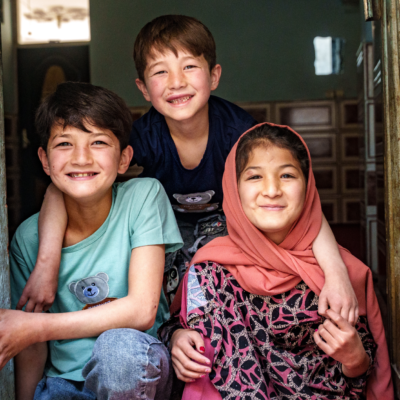
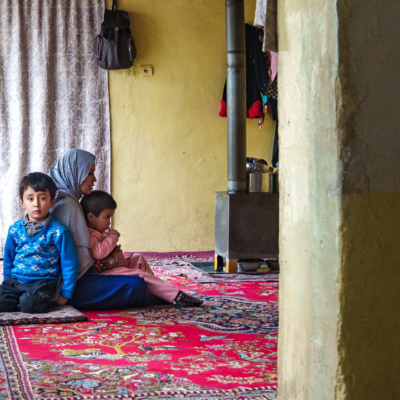
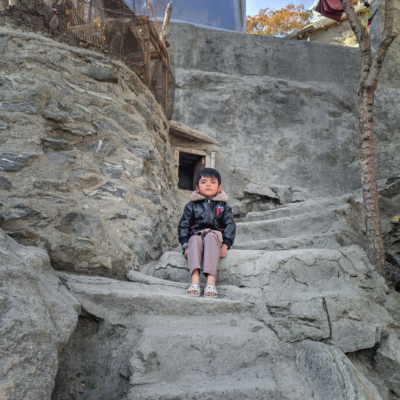
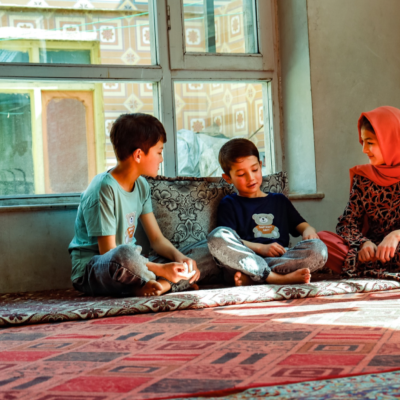
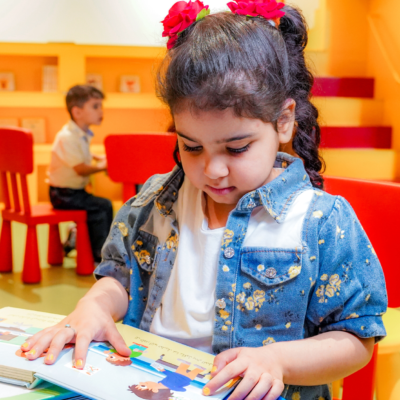
Al-Ayn Social Care Foundation supports orphaned children in Iraq, Afghanistan and Ghana. Our work is guided by Al-Sayyid Al-Sistani, and Al-Ayn is authorised by his office to receive religious dues including Sadaqa, Khums, Fidya and more.

How does Al-Ayn mark these occasions?

For an orphaned child, the days that bring families together can also be the days they feel most alone. Watching others put on new clothes, share meals and exchange gifts can leave a child wondering where they belong. That is why these occasions matter so much to us.

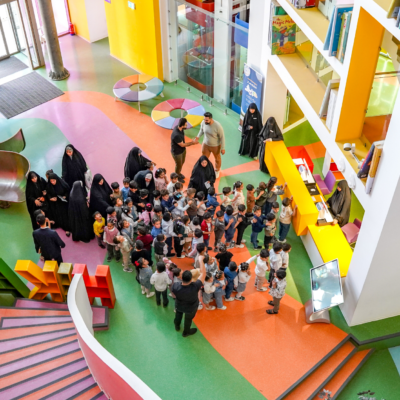
During Ramadan, we make sure food baskets are delivered to orphaned children and their families, so they can observe the month with ease and comfort. Last year, thousands of baskets were delivered. In Iraq, our teams also hold special iftar gatherings within our Luminous Stars centres, where orphaned children and their families come together to break their fast as a community.

Whether its Eid Al-Fitr, Eid Al-Ghadeer, or Eid Al-Adha – the day of Eid should be a day of joy for every child. We ensure orphaned children under our care receive brand new clothing and Eid gifts, so they can celebrate and feel included. On Eid Al-Adha, every single family we support receives a Qurbani meat parcel.

On occiasions such as Milad al-Nabi, our teamshold special programmes so children and families can take part in remembering the life and teachings of the Prophet (SAWW).

As each occasion approaches, we invite you to stay connected with us.

Stay connected

Frequently asked questions

When does Ramadan 2027 start?

Ramadan 2027 is expected to begin on 8 February 2027, subject to moon sighting.

When is Laylat al-Qadr in 2027?

The 19th, 21st and 23rd nights of Laylatul Qadr are expected to fall between 25th February and 1st March 2027. Each night begins at sunset the evening before.

When is Eid al-Fitr 2027?

Eid al-Fitr is expected to fall on 10 March 2027, depending on the sighting of the moon in your region.

Why do Islamic dates change every year?

The calendar follows the moon, so dates arrive about 10 to 11 days earlier each year.

What religious dues does Al-Ayn accept?

Al-Ayn is authorised by His Eminence Al-Sayyid Ali Al-Sistani to receive religious dues, including: Sadaqa, Khums (both parts),  Zakat, and other dues.

This authorisation (Ijaza) allows Al-Ayn to receive and distribute these religious dues in accordance with the applicable Islamic guidelines, helping provide essential care and support to orphaned children and other individuals in need.

Related