Donate

Search Website

Khums Calculation

Surplus

Amount you own, in British Pounds ?
Calculated on your khums due date.
Equivalent amount, in British Pounds, of foreign currency you own ?
Calculated on your khums due date.
Debts owed to you that you expect to be repaid ?
Do not include this if it was accounted for in previous financial years.
In-kind possessions not used for sustenance ?
This includes buildings, farms, factories, commodities, work tools, and any household items or possessions not used for sustenance. Calculate these at present value if they were acquired with surplus income on which a year has not elapsed, and at cost price if they were acquired with surplus income on which a year has elapsed. If acquired with a combination of income, then calculate these at present value in relation to what was acquired with surplus income on which a year has not elapsed, and at cost price in relation to what was acquired with surplus income on which a year has elapsed.
Financial dues ?
This includes the due of key premium (surqufliah), the due of utilizing agricultural lands owned by the state, and the due of revival of lands which are fenced and prepared for residency. Calculate these at present value if they were acquired with surplus income on which a year has not elapsed, and at cost price if they were acquired with surplus income on which a year has elapsed. If acquired with a combination of income, then calculate these at present value in relation to what was acquired with surplus income on which a year has not elapsed, and at cost price in relation to what was acquired with surplus income on which a year has elapsed.
Amount you utilized prior to your khums due date ?
This is cash which was subject to khums prior to your khums due date, and which you have already spent (e.g. If this is the first year you pay khums, despite having needed to pay khums in previous years)
Fungible items you utilized prior to your khums due date ?
These are fungible items which were subject to khums prior to your khums due date, and which you have already utilized. Calculate these according to present value. Fungible items are those which are freely exchangeable or replaceable, in whole or in part, for another item of a similar nature, such as machinery or factory-produced fabrics.
Non-fungible items you utilized prior to your khums due date ?
These are non-fungible items which were subject to khums prior to your khums due date, and which you have already utilized. Calculate these according to their value at point of utilization. Non–fungible items are unique items, such as unique paintings, monuments, and unique jewelry.
Amount you already paid with intention of Sahm Al-Imam ?
Amount you paid with the intention of Sahm Al-Imam before your khums due date.
Amount you already paid with intention of Sahm Al-Sada ?
Amount you paid with the intention of Sahm Al-Sada before your khums due date.

Deductions

Commercial debts ?
Include all commercial debts you still owe others.
Remaining sustenance debts taken in the financial year ?
Includes debts borrowed in the financial year for accommodation (mortgage), a car, etc. Please refer to more detailed rulings for accounting for mortgages.
Remaining sustenance debts taken in previous financial years ?
Includes debts borrowed in the previous financial year for accommodation (mortgage), a car, etc. The asset (house, car, etc.) must still be in your possession. Calculate only the amount that you have not deducted from your profits in previous financial years. Please refer to more detailed rulings for accounting for mortgages.
Amount you own which has already been subjected to khums ?
Calculated on your khums due date. Includes the remainder of funds that were subject to khums in previous years and on which you have already paid khums.
Notes
  1. 1) Your khums due date is the first day you started your job or business. If you are retired or not in employment, then you can agree a khums due date with a representative of the marja'a, or calculate separate khums years for each profit that you make, from the date you made that profit.
  2. 2) The khums of commercial commodities and real estate(s) which are intended for trading, should be paid in accordance with their current market value, even if they were bought with profits which a year has elapsed on, unless the price at which they were bought is higher than the current value.
  3. 3) If the calculations show that the amount of khums due is negative as a result of sustenance debts, then the amount of the sustenance debt equivalent to the amount of khums due for the rest of the item is calculated and excluded.
  4. 4) If sustenance debts are fully repaid in the financial year, this amount is excluded from the profits.
  5. 5) Possessions which are not subject to khums are:
    1. a. Possessions owned through inheritance:
    2. i. Cash
    3. ii. Real Estate
    4. iii. Objects that are transferrable and the like
    5. b. Possessions owned by the wife from the dowry (mahr):
    6. i. Cash
    7. ii. Gold Jewellery
    8. iii. Home furniture and the like
    9. c. Possessions used for personal or family provisions from the profits of that financial year:
    10. i. Home residence
    11. ii. Home furniture and other household items
    12. iii. Gardens used for leisure and to personally benefit from their fruit
    13. iv. Personal or family cars
    14. v. Animals that are benefited from by the household such as a cow for milk or a chicken for eggs
    15. d. Debts owed by others that you do not expect to be repaid.
    16. e. Items purchased through debt that has not yet been repaid.

Total amount subject to Khums £0

Khums Due £0

Sahm al Imam to be paid £0

Sahm al Sada to be paid £0

Email me Khums report

World Mental Health Day: Helping Orphaned Children Heal and Thrive

29 September 2026

World Mental Health Day is an opportunity to recognise the importance of mental wellbeing and to remind ourselves that everyone deserves access to the support they need to live healthy, fulfilling lives.

For orphaned children, mental health support can be particularly important. Losing a parent can have a profound and lasting impact on a child’s emotional wellbeing, especially when that loss is accompanied by financial hardship, instability or other difficult circumstances.

At Al-Ayn Social Care Foundation, we believe that caring for an orphaned child means caring for their whole wellbeing. Alongside financial assistance, education, healthcare, housing and other forms of support, psychological rehabilitation is an essential part of our comprehensive care in Iraq.

The impact of losing a parent

For a child, losing a parent can change almost every aspect of their life.

They may experience grief, anxiety, uncertainty and feelings that they struggle to understand or express. The challenges can be even greater when a family is also facing financial difficulties or other hardships.

Every child’s response to loss is different. Some may become withdrawn, while others may struggle with confidence, relationships or their education. Providing a safe environment where children can be listened to, understood and supported can play an important role in their journey forward.

That’s why psychological support is not an additional service – it is an essential part of helping children heal and build confidence in themselves and their future.
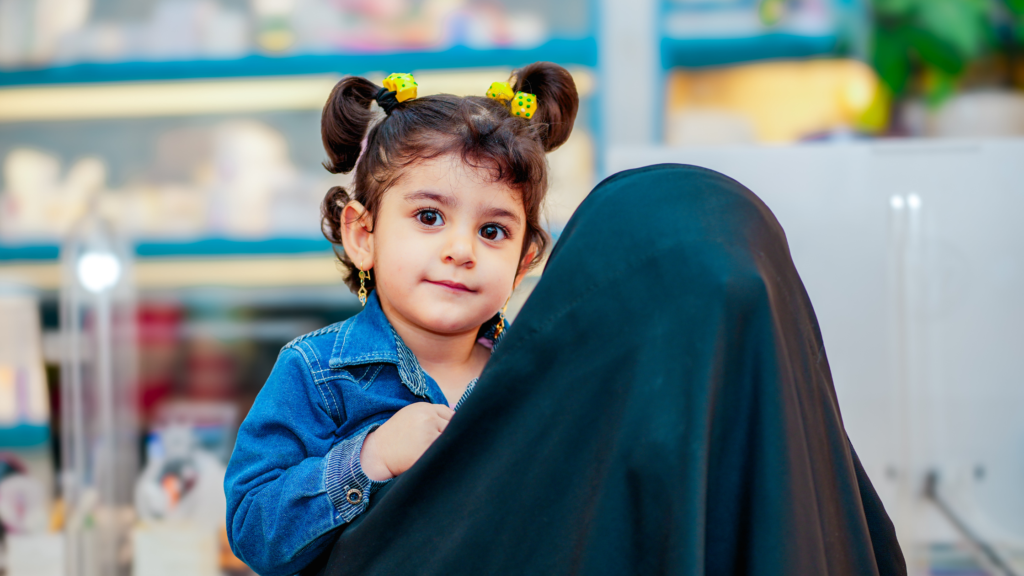
Psychological rehabilitation at our Luminous Stars Centres

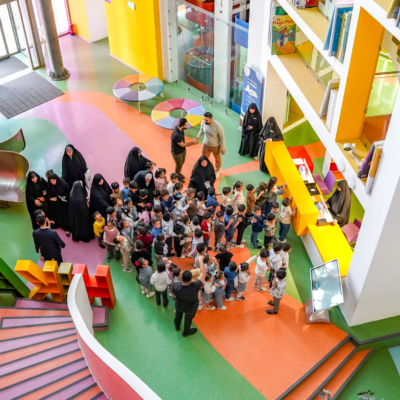
Across Iraq, Al-Ayn’s Luminous Stars Centres provide orphaned children with access to a range of services designed to support their wellbeing and development.

Psychological rehabilitation is tailored to the individual needs of each child. Through appropriate support and follow-up, children can be encouraged to process difficult experiences, develop emotional resilience and strengthen their confidence.

To date, over 7,839 orphaned children have received psychological rehabilitation through our Luminous Stars Centres across Iraq.

Behind this number are thousands of individual stories – children who have experienced loss but are being given the support and opportunity to look towards what comes next.

A pathway to further support at Hikayati

For some children, an assessment may identify a need for additional psychological, developmental or therapeutic support.

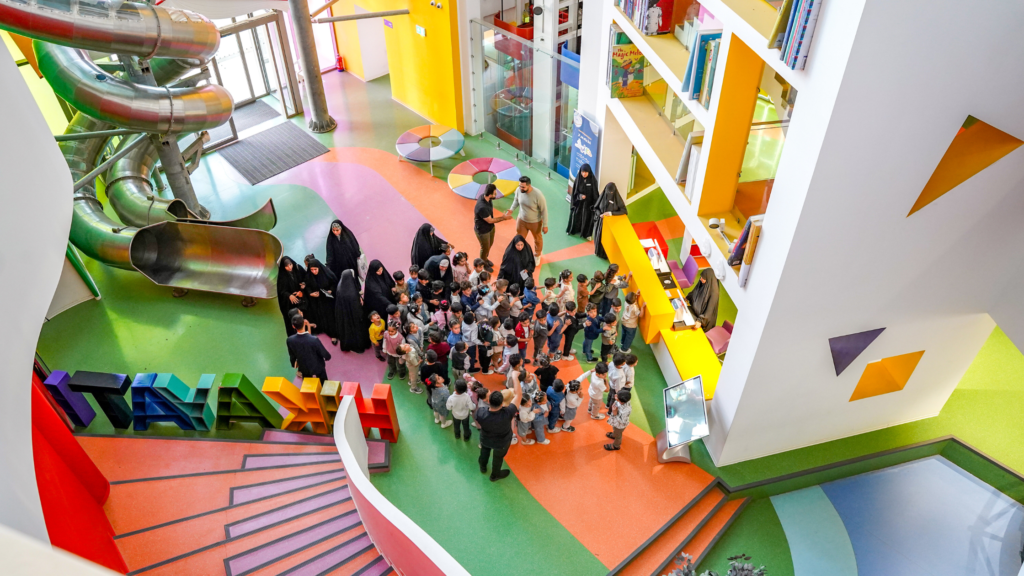
These children can be signposted to Al-Ayn’s Hikayati Centre in Najaf, a dedicated space where children can access further services suited to their needs.

Hikayati provides a nurturing environment where children can participate in activities that encourage learning, creativity, confidence and personal development, alongside the support they require.

Over 5,000 children have been signposted to Hikayati so far.

The aim is not simply to help children cope with what they have experienced, but to give them the tools and confidence to move forward.
Creating spaces where children can thrive

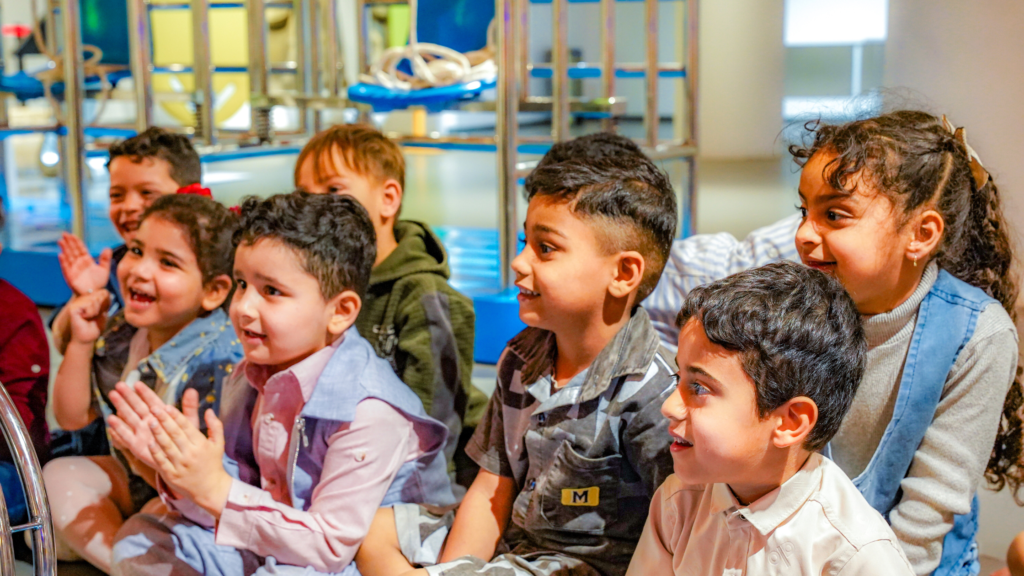
Mental health is closely connected to every part of a child’s development. When children feel supported and emotionally secure, they can be better equipped to engage with their education, build relationships and develop a positive sense of themselves.

This is why creating safe and supportive spaces matters.

Whether it’s through a conversation with a trained professional, an activity that helps a child express themselves, or simply having somewhere they feel comfortable and understood, every positive experience can contribute to a child’s journey.

At Al-Ayn, our approach is centred on ensuring that orphaned children are not defined by the loss they have experienced. Instead, we want them to have the opportunity to discover their abilities, pursue their education, develop their confidence and dream about their future.
This World Mental Health Day

World Mental Health Day reminds us that mental wellbeing deserves attention, care and compassion.

For orphaned children, that care can be transformative.

Through our Luminous Stars Centres, Hikayati and our wider programme of comprehensive support, Al-Ayn continues to stand alongside orphaned children and their families – helping them navigate hardship while creating opportunities for healing and growth.

This World Mental Health Day, help us continue creating spaces where orphaned children can heal, grow and thrive.
Related