Donate

Search Website

Khums Calculation

Surplus

Amount you own, in British Pounds ?
Calculated on your khums due date.
Equivalent amount, in British Pounds, of foreign currency you own ?
Calculated on your khums due date.
Debts owed to you that you expect to be repaid ?
Do not include this if it was accounted for in previous financial years.
In-kind possessions not used for sustenance ?
This includes buildings, farms, factories, commodities, work tools, and any household items or possessions not used for sustenance. Calculate these at present value if they were acquired with surplus income on which a year has not elapsed, and at cost price if they were acquired with surplus income on which a year has elapsed. If acquired with a combination of income, then calculate these at present value in relation to what was acquired with surplus income on which a year has not elapsed, and at cost price in relation to what was acquired with surplus income on which a year has elapsed.
Financial dues ?
This includes the due of key premium (surqufliah), the due of utilizing agricultural lands owned by the state, and the due of revival of lands which are fenced and prepared for residency. Calculate these at present value if they were acquired with surplus income on which a year has not elapsed, and at cost price if they were acquired with surplus income on which a year has elapsed. If acquired with a combination of income, then calculate these at present value in relation to what was acquired with surplus income on which a year has not elapsed, and at cost price in relation to what was acquired with surplus income on which a year has elapsed.
Amount you utilized prior to your khums due date ?
This is cash which was subject to khums prior to your khums due date, and which you have already spent (e.g. If this is the first year you pay khums, despite having needed to pay khums in previous years)
Fungible items you utilized prior to your khums due date ?
These are fungible items which were subject to khums prior to your khums due date, and which you have already utilized. Calculate these according to present value. Fungible items are those which are freely exchangeable or replaceable, in whole or in part, for another item of a similar nature, such as machinery or factory-produced fabrics.
Non-fungible items you utilized prior to your khums due date ?
These are non-fungible items which were subject to khums prior to your khums due date, and which you have already utilized. Calculate these according to their value at point of utilization. Non–fungible items are unique items, such as unique paintings, monuments, and unique jewelry.
Amount you already paid with intention of Sahm Al-Imam ?
Amount you paid with the intention of Sahm Al-Imam before your khums due date.
Amount you already paid with intention of Sahm Al-Sada ?
Amount you paid with the intention of Sahm Al-Sada before your khums due date.

Deductions

Commercial debts ?
Include all commercial debts you still owe others.
Remaining sustenance debts taken in the financial year ?
Includes debts borrowed in the financial year for accommodation (mortgage), a car, etc. Please refer to more detailed rulings for accounting for mortgages.
Remaining sustenance debts taken in previous financial years ?
Includes debts borrowed in the previous financial year for accommodation (mortgage), a car, etc. The asset (house, car, etc.) must still be in your possession. Calculate only the amount that you have not deducted from your profits in previous financial years. Please refer to more detailed rulings for accounting for mortgages.
Amount you own which has already been subjected to khums ?
Calculated on your khums due date. Includes the remainder of funds that were subject to khums in previous years and on which you have already paid khums.
Notes
  1. 1) Your khums due date is the first day you started your job or business. If you are retired or not in employment, then you can agree a khums due date with a representative of the marja'a, or calculate separate khums years for each profit that you make, from the date you made that profit.
  2. 2) The khums of commercial commodities and real estate(s) which are intended for trading, should be paid in accordance with their current market value, even if they were bought with profits which a year has elapsed on, unless the price at which they were bought is higher than the current value.
  3. 3) If the calculations show that the amount of khums due is negative as a result of sustenance debts, then the amount of the sustenance debt equivalent to the amount of khums due for the rest of the item is calculated and excluded.
  4. 4) If sustenance debts are fully repaid in the financial year, this amount is excluded from the profits.
  5. 5) Possessions which are not subject to khums are:
    1. a. Possessions owned through inheritance:
    2. i. Cash
    3. ii. Real Estate
    4. iii. Objects that are transferrable and the like
    5. b. Possessions owned by the wife from the dowry (mahr):
    6. i. Cash
    7. ii. Gold Jewellery
    8. iii. Home furniture and the like
    9. c. Possessions used for personal or family provisions from the profits of that financial year:
    10. i. Home residence
    11. ii. Home furniture and other household items
    12. iii. Gardens used for leisure and to personally benefit from their fruit
    13. iv. Personal or family cars
    14. v. Animals that are benefited from by the household such as a cow for milk or a chicken for eggs
    15. d. Debts owed by others that you do not expect to be repaid.
    16. e. Items purchased through debt that has not yet been repaid.

Total amount subject to Khums £0

Khums Due £0

Sahm al Imam to be paid £0

Sahm al Sada to be paid £0

Email me Khums report

Sponsor an Orphaned Child: How Al-Ayn’s Sponsorship Programme Supports Vulnerable Children 

17 June 2026

Our Pioneering Sponsorship Programme 

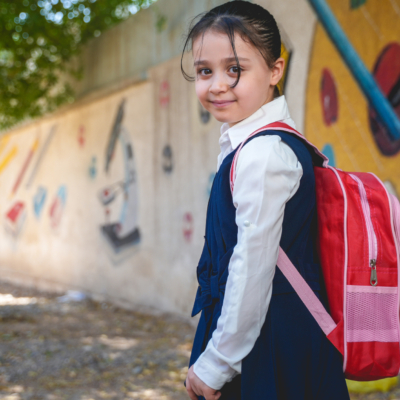
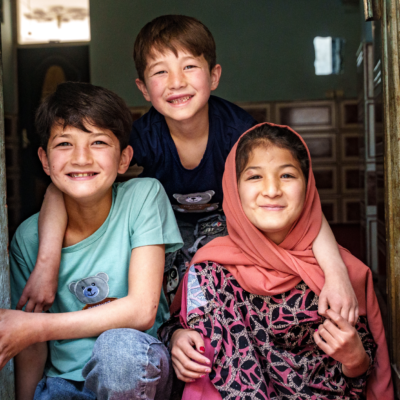
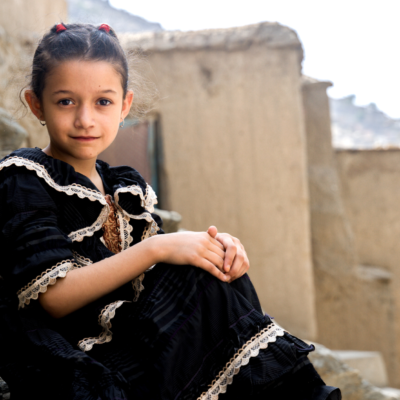
For many orphaned children around the world, the loss of one or both parents can also lead to financial hardship, disrupted education and daily struggles to access basic essentials such as food, clothing and healthcare. 

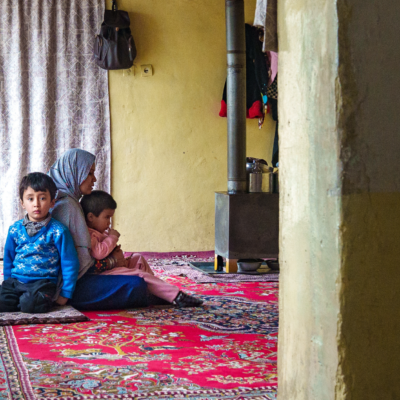
In underserved communities across Iraq, Afghanistan and Ghana, many widowed mothers are left carrying the responsibility of supporting entire households alone – often with limited income, rising living costs and little long-term support. 

At Al-Ayn Social Care Foundation UK, our sponsorship programme is designed to help respond to those challenges through long-term, comprehensive support for orphaned children and their families. 

Today, more than 114,000 orphaned children are supported through Al-Ayn’s care programmes across multiple countries. 
What Is Sponsorship? 

Sponsorship is a form of long-term support designed to help vulnerable children and their families beyond immediate relief alone. Rather than responding only during emergencies or seasonal periods, sponsorship helps provide continued support throughout the year. 

This can help families achieve greater stability while ensuring children remain connected to essential services and care. 

What Does Sponsorship Help Provide? 

Through Al-Ayn’s sponsorship programme, support can help provide: 

  • Monthly financial assistance for vulnerable families 
  • Access to healthcare and medical treatment 
  • Educational support and learning resources 
  • Psychological rehabilitation services 
  • Ongoing social care and wellbeing monitoring 
  • Seasonal support during key periods of the year, including Ramadan, Eid, winter and more. 

Support is provided directly to the child’s legal guardian to help stabilise the household and respond to the family’s most pressing needs. 
A Proven Model Built Over More Than 20 Years 

Al-Ayn has spent more than two decades developing a comprehensive sponsorship model in Iraq. Today, that experience continues to shape expanding operations in Afghanistan and Ghana, where many vulnerable families continue to face poverty and instability. 

The programme is designed not only to respond to immediate hardship – but to help provide children with greater long-term stability and access to care. 

Supporting More Than Financial Needs Alone 

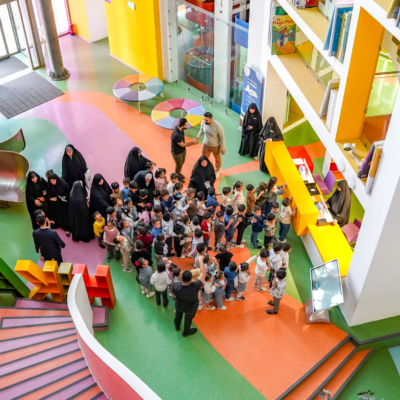
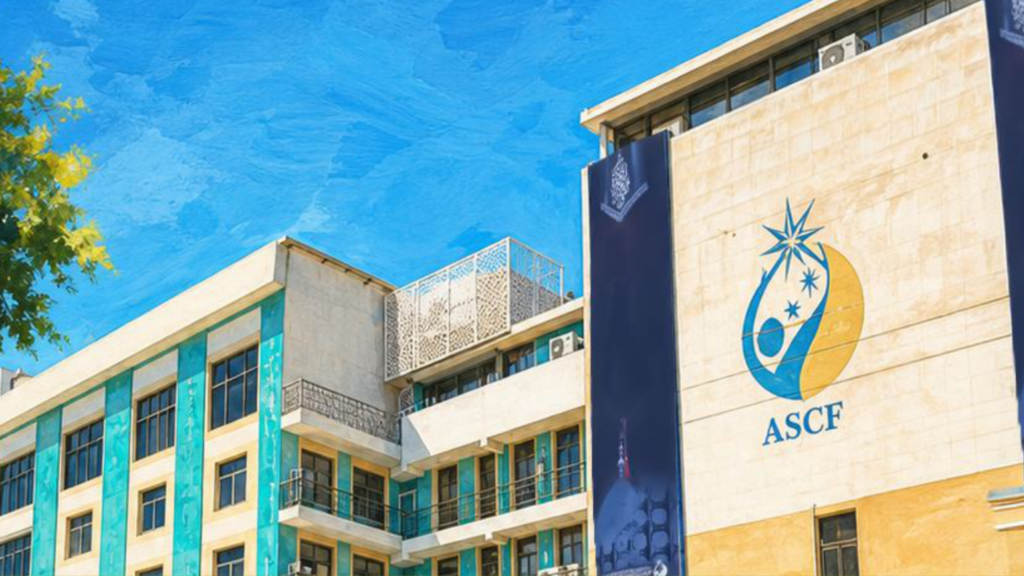
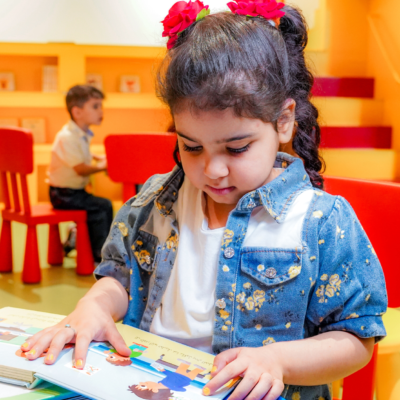
In Iraq, Al-Ayn’s wider care model includes services delivered through Luminous Stars Centres. Presently 15 centres are operational and 6 more are under construction. Within these centres, thousands of orphaned children and their families can access a variation of services designed to nurture their wellbeing.  

Our centres include: 

  • Healthcare facilities  
  • Vocational training workshops 
  • Financial aid distribution halls 
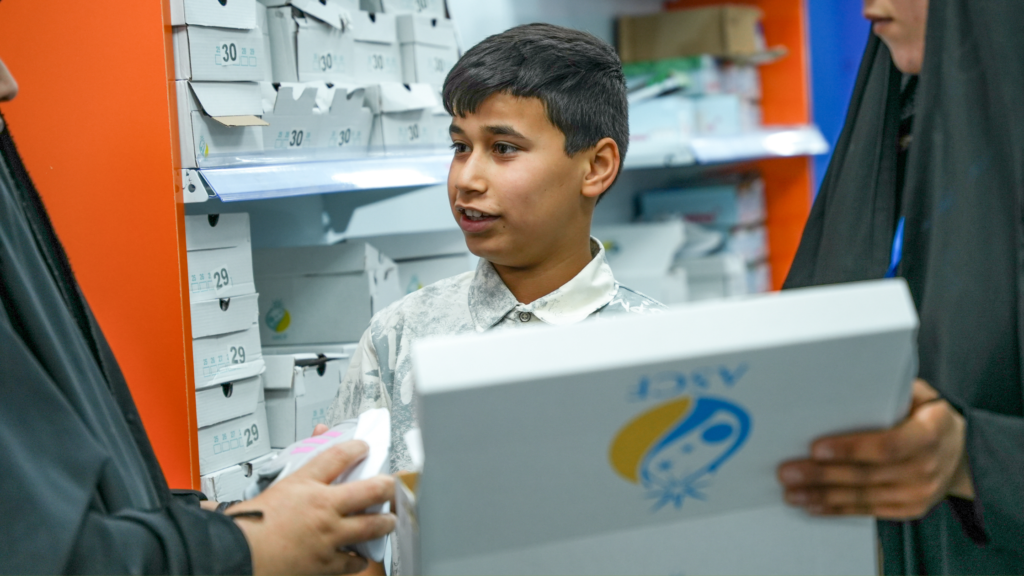
  • Free shopping malls for orphaned children 
  • Psychological rehabilitation programmes 
  • Seasonal aid collection points  

Specialist psychological rehabilitation services are also provided to orphaned children through the Hikayati Centre in Najaf which opened in May 2023, and has since supported over 5,000 children.  
Reaching Underserved Communities 

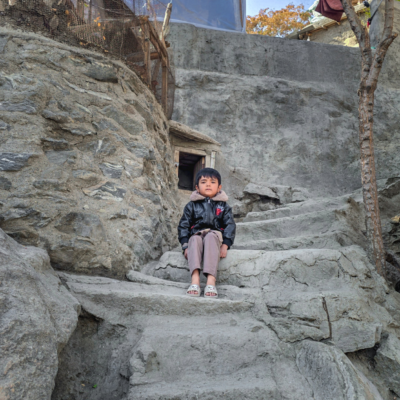
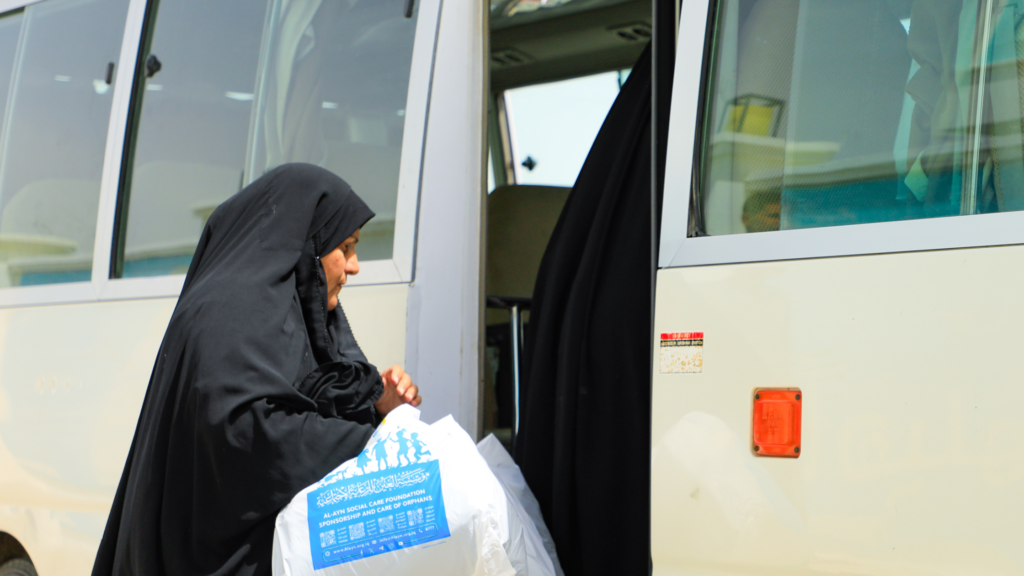
Many vulnerable families supported by Al-Ayn live in remote or underserved areas where access to support can be limited. 

Field teams travel across communities in Iraq, Afghanistan and Ghana to identify vulnerable children and assess family needs. 

This includes home visits, documentation checks and ongoing reassessments to help ensure support continues reaching those most in need. 

Why Long-Term Sponsorship Matters 

For many families, hardship does not end after a single donation or seasonal distribution. The loss of a parent can leave widowed mothers carrying the full weight of supporting a household alone – often while struggling to keep children in education, afford healthcare or meet everyday living costs. 

Long-term sponsorship helps provide ongoing support that families can rely on throughout the year. This can help children continue their education, access healthcare and grow within a more stable home environment, while easing some of the financial pressure placed on widowed mothers. 

For orphaned children, sustained support can help shape far more than a single moment of relief – it can help shape their journey ahead. 

How You Can Help 

This Muharram, you can help support orphaned children and vulnerable families through long-term sponsorship. 

From £55 a month, sponsorship can help provide sustained support and comprehensive care. 

Families, friends, workplaces and communities can also collectively sponsor a child together. 

For those unable to commit monthly, the Muharram Fund helps respond to urgent and ongoing needs across the communities we serve. 

The Journey Continues 

Behind every sponsorship is a child navigating loss, hardship and uncertainty. 

Long-term support can help provide greater stability, access to care and continued support for vulnerable families. 

This Muharram, help us continue reaching orphaned children through sponsorship and comprehensive care.

Related