Donate

Search Website

Khums Calculation

Surplus

Amount you own, in British Pounds ?
Calculated on your khums due date.
Equivalent amount, in British Pounds, of foreign currency you own ?
Calculated on your khums due date.
Debts owed to you that you expect to be repaid ?
Do not include this if it was accounted for in previous financial years.
In-kind possessions not used for sustenance ?
This includes buildings, farms, factories, commodities, work tools, and any household items or possessions not used for sustenance. Calculate these at present value if they were acquired with surplus income on which a year has not elapsed, and at cost price if they were acquired with surplus income on which a year has elapsed. If acquired with a combination of income, then calculate these at present value in relation to what was acquired with surplus income on which a year has not elapsed, and at cost price in relation to what was acquired with surplus income on which a year has elapsed.
Financial dues ?
This includes the due of key premium (surqufliah), the due of utilizing agricultural lands owned by the state, and the due of revival of lands which are fenced and prepared for residency. Calculate these at present value if they were acquired with surplus income on which a year has not elapsed, and at cost price if they were acquired with surplus income on which a year has elapsed. If acquired with a combination of income, then calculate these at present value in relation to what was acquired with surplus income on which a year has not elapsed, and at cost price in relation to what was acquired with surplus income on which a year has elapsed.
Amount you utilized prior to your khums due date ?
This is cash which was subject to khums prior to your khums due date, and which you have already spent (e.g. If this is the first year you pay khums, despite having needed to pay khums in previous years)
Fungible items you utilized prior to your khums due date ?
These are fungible items which were subject to khums prior to your khums due date, and which you have already utilized. Calculate these according to present value. Fungible items are those which are freely exchangeable or replaceable, in whole or in part, for another item of a similar nature, such as machinery or factory-produced fabrics.
Non-fungible items you utilized prior to your khums due date ?
These are non-fungible items which were subject to khums prior to your khums due date, and which you have already utilized. Calculate these according to their value at point of utilization. Non–fungible items are unique items, such as unique paintings, monuments, and unique jewelry.
Amount you already paid with intention of Sahm Al-Imam ?
Amount you paid with the intention of Sahm Al-Imam before your khums due date.
Amount you already paid with intention of Sahm Al-Sada ?
Amount you paid with the intention of Sahm Al-Sada before your khums due date.

Deductions

Commercial debts ?
Include all commercial debts you still owe others.
Remaining sustenance debts taken in the financial year ?
Includes debts borrowed in the financial year for accommodation (mortgage), a car, etc. Please refer to more detailed rulings for accounting for mortgages.
Remaining sustenance debts taken in previous financial years ?
Includes debts borrowed in the previous financial year for accommodation (mortgage), a car, etc. The asset (house, car, etc.) must still be in your possession. Calculate only the amount that you have not deducted from your profits in previous financial years. Please refer to more detailed rulings for accounting for mortgages.
Amount you own which has already been subjected to khums ?
Calculated on your khums due date. Includes the remainder of funds that were subject to khums in previous years and on which you have already paid khums.
Notes
  1. 1) Your khums due date is the first day you started your job or business. If you are retired or not in employment, then you can agree a khums due date with a representative of the marja'a, or calculate separate khums years for each profit that you make, from the date you made that profit.
  2. 2) The khums of commercial commodities and real estate(s) which are intended for trading, should be paid in accordance with their current market value, even if they were bought with profits which a year has elapsed on, unless the price at which they were bought is higher than the current value.
  3. 3) If the calculations show that the amount of khums due is negative as a result of sustenance debts, then the amount of the sustenance debt equivalent to the amount of khums due for the rest of the item is calculated and excluded.
  4. 4) If sustenance debts are fully repaid in the financial year, this amount is excluded from the profits.
  5. 5) Possessions which are not subject to khums are:
    1. a. Possessions owned through inheritance:
    2. i. Cash
    3. ii. Real Estate
    4. iii. Objects that are transferrable and the like
    5. b. Possessions owned by the wife from the dowry (mahr):
    6. i. Cash
    7. ii. Gold Jewellery
    8. iii. Home furniture and the like
    9. c. Possessions used for personal or family provisions from the profits of that financial year:
    10. i. Home residence
    11. ii. Home furniture and other household items
    12. iii. Gardens used for leisure and to personally benefit from their fruit
    13. iv. Personal or family cars
    14. v. Animals that are benefited from by the household such as a cow for milk or a chicken for eggs
    15. d. Debts owed by others that you do not expect to be repaid.
    16. e. Items purchased through debt that has not yet been repaid.

Total amount subject to Khums £0

Khums Due £0

Sahm al Imam to be paid £0

Sahm al Sada to be paid £0

Email me Khums report

What Is Muharram? A Month of Reflection, Responsibility and Compassion 

17 June 2026

Muharram marks the beginning of the Hijri Year and is one of the most sacred months in Islam. For millions around the world, it is a time of reflection, remembrance and renewed responsibility towards others. 

But many people still ask: 

  • What is Muharram? 
  • Why is Muharram important? 
  • What should we do during Muharram? 
  • Is charity important during Muharram? 

Beyond marking the start of a new Islamic year, Muharram is a month connected to sacrifice and justice. Today, those same values continue to inspire support for vulnerable families and orphaned children around the world.

Why Is Muharram Important? 

Muharram is one of the four sacred months in Islam. For many Muslims, it is a month associated with reflection and remembrance of the family of the Prophet (SAWW). 

The month is especially connected to the events of Karbala and the sacrifice of Imam Hussain (AS), whose legacy continues to inspire people through values of justice, compassion and responsibility. 

Muharram reminds us that within us all is a sacred responsibility for others. 

A Reminder of Responsibility Towards Others 

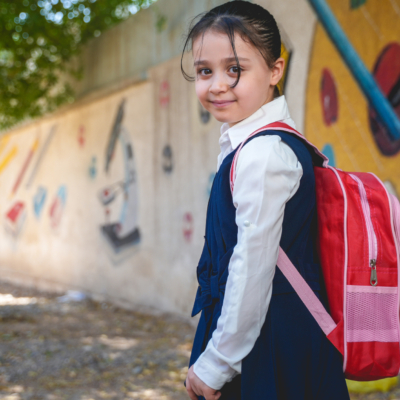
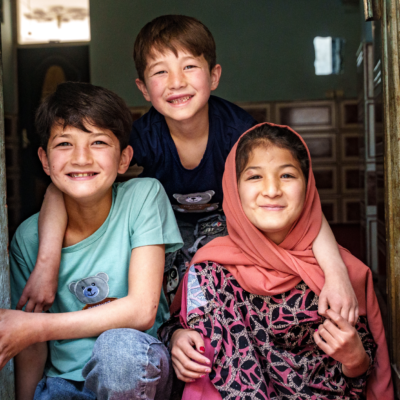
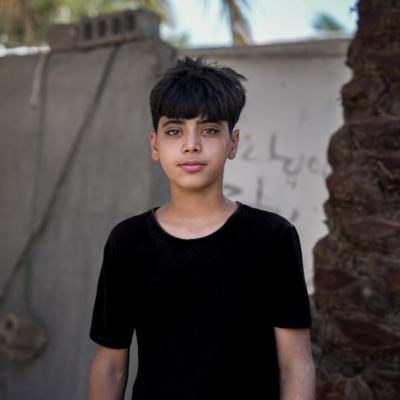
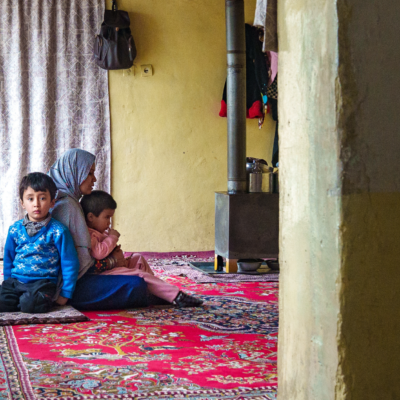
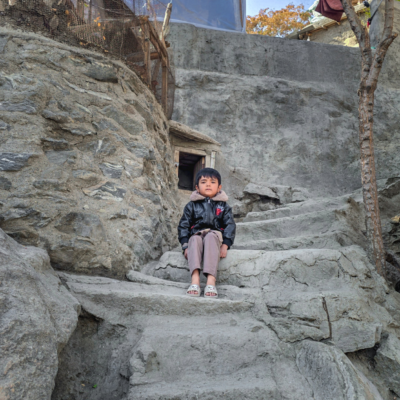
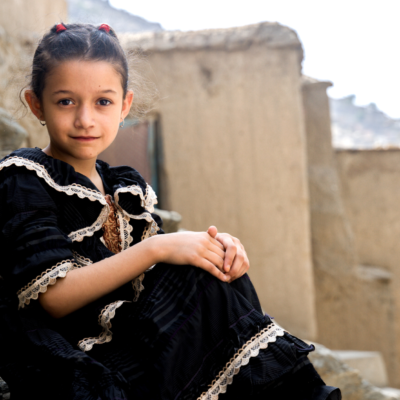
Across Afghanistan, Iraq and Ghana, many orphaned children continue to face poverty, instability and hardship. 

For vulnerable families, daily life can involve: 

  • Struggling to afford food and basic essentials 
  • Limited access to healthcare 
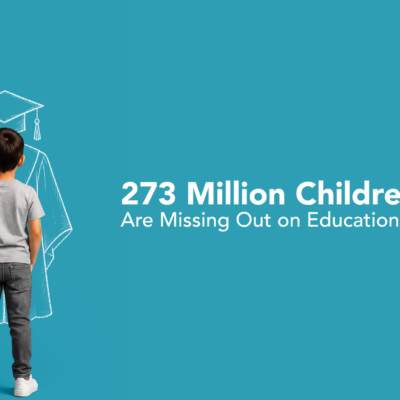
  • Barriers to education 
  • Financial pressure placed on widowed mothers 
  • Living in underserved or remote communities with little support 

For children without stable care, uncertainty can affect every part of daily life. Muharram encourages us to reflect not only on history, but on the needs that continue to exist around us today. 

Why Supporting Orphaned Children Matters 

Long-term support can help provide vulnerable children with greater stability and access to care. 

Through sponsorship, support can help provide: 

  • Monthly financial assistance 
  • Access to healthcare and treatment 
  • Educational support 
  • Psychological rehabilitation services 
  • Ongoing social care and wellbeing monitoring 
  • Access to essentials on a day to day basis 

At Al-Ayn Social Care Foundation UK, more than 114,000 orphaned children are currently supported across Iraq, Afghanistan and Ghana through a comprehensive care model developed over more than 20 years. 

This includes reaching children living in remote and underserved communities through dedicated field teams and ongoing follow-up support. 

Trust and Transparency Matter 

During Muharram, many people choose to give charity and support vulnerable families. 

But trust matters. Supporting orphaned children requires careful assessments, transparent processes and ongoing care to help ensure support reaches those most in need. 

Al-Ayn’s sponsorship programme includes: 

  • Home visits and documentation checks 
  • Dedicated social care teams – usually females to ensure widowed mothers are also comfortable  
  • Ongoing reassessments 
  • Digital verification systems 
  • Long-term monitoring and support 

The foundation also operates under the authorisation (Ijaza) of Al-Sayyid Ali Al-Sistani to receive and distribute religious dues to empower those in need. 

How You Can Help This Muharram 

This Muharram, you can help support orphaned children and vulnerable families through long-term care and compassionate support. 

From £55 a month, sponsorship can help provide sustained support to a child and their family. 

For those unable to commit monthly, the Muharram Fund helps respond to urgent and ongoing needs across underserved communities. 

Friends, families and communities can also come together to collectively sponsor a child. 

The Journey Continues 

Muharram is a reminder that compassion should continue beyond a single moment. 

For orphaned children facing hardship today, long-term care and support can help shape the journey ahead. This Muharram, help us reach vulnerable children through sponsorship, care and compassionate support. 

Related